
eddd
ผู้เยี่ยมชม
larryalex249@gmail.com
Applications of Rubber Extrusion Profiles in Automotive (10 อ่าน)
4 พ.ค. 2569 19:20
rubber extrusion profiles rubber profiles are elongated rubber forms that are produced by pushing raw rubber material through a specially designed mold opening to form a specific cross-sectional design. These profiles are manufactured in long lengths and later cut into required sizes depending on their application. They are widely used in industries such as automotive, construction, engineering, and manufacturing because they offer flexibility, durability, and strong sealing performance.
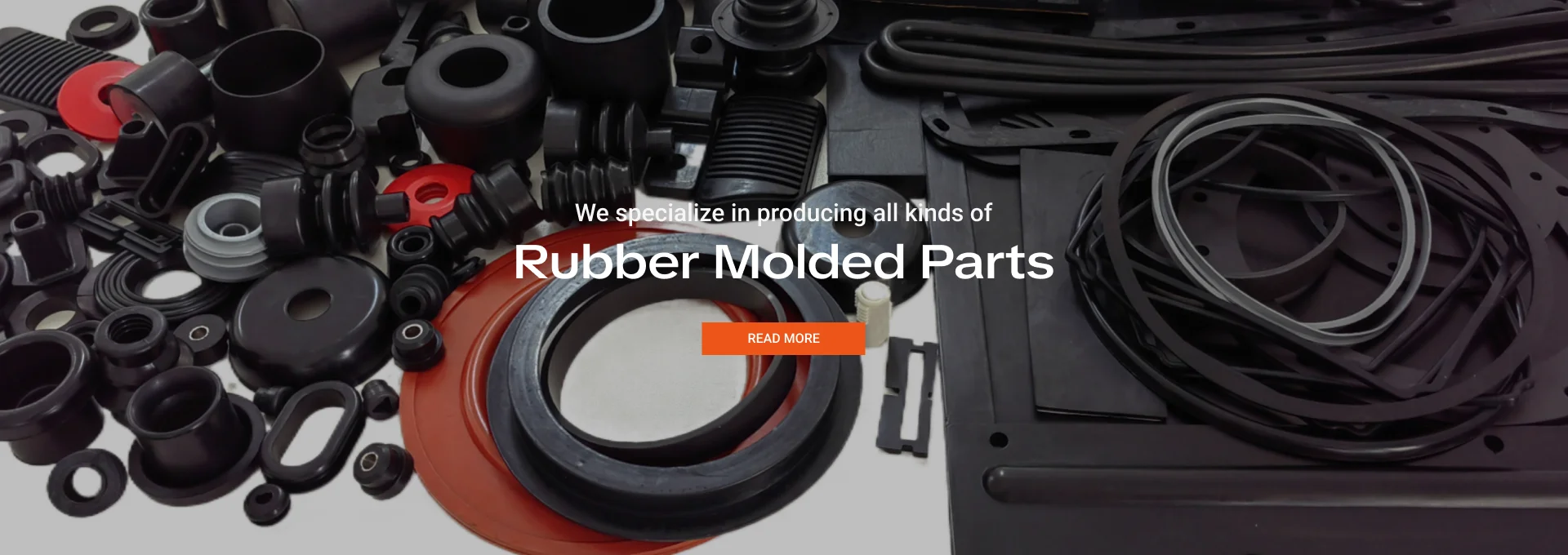
The process of making rubber extrusion profiles starts with raw rubber mixtures being prepared and fed into an extrusion machine. Inside the machine, controlled temperature and force soften the rubber so it can be forced through a shaped opening called a extrusion mold. The shape of the die determines the final profile of the product, which can be simple or highly complex depending on design requirements. After the material comes out of the die, it is cured to strengthen its structure and improve elasticity, allowing it to maintain shape and performance under different conditions.
One of the most important uses of rubber extrusion profiles is leak prevention. They are commonly placed between surfaces to prevent the leakage of fluids, gases, or contaminants. Because rubber is flexible, it can compress and fill small gaps, creating a tight seal. This makes it especially useful in doors, windows, vehicle parts, and industrial equipment where preventing leakage is essential for performance and safety.
Rubber extrusion profiles are also widely used for component shielding. They can cover sharp edges, protect sensitive components, and act as barriers against physical force and external conditions. In machinery, they help reduce direct contact between parts, which minimizes wear and extends equipment life. In construction, they are often used as edge trims or protective seals for panels and structures.
Another key function of these profiles is vibration and noise reduction. Machines, vehicles, and equipment naturally produce vibration during operation. Rubber’s elastic nature allows it to dampen movement, reducing noise and improving stability. This makes extrusion profiles valuable in automotive applications, industrial machinery, and household appliances where smooth and quiet operation is important.
The material used in rubber extrusion profiles can vary depending on the application. Different types of rubber are chosen based on their resistance to temperature, corrosive substances, environmental exposure, or lubricants. Some materials perform better in sunlight and weather conditions due to their resistance to sunlight and temperature changes, while others are better suited for chemical-heavy or oil-based environments. The choice of material directly affects the strength and lifespan of the final product.
Flexibility is one of the main advantages of rubber extrusion profiles. They can bend, twist, and compress while still returning to their original shape. This allows them to maintain a consistent seal even when surfaces move or expand due to thermal expansion or physical stress. Their elasticity makes them suitable for dynamic environments where constant movement occurs.
Another benefit of rubber extrusion profiles is their ability to be produced in a wide variety of shapes. They can be manufactured as simple tubes, U-channels, D-seals, or complex custom designs depending on application requirements. This design flexibility makes them suitable for both general and specialized uses.
From a production point of view, rubber extrusion is highly efficient. Once the die is created, profiles can be produced continuously in large quantities. This reduces production time and waste, making it a cost-effective method for rubber components. It also ensures consistent quality across all produced lengths.
Durability is another important characteristic of rubber extrusion profiles. Once cured, they can withstand mechanical stress, heat variation, and outdoor conditions without losing shape or function. This long service life makes them reliable components in systems that require consistent performance over time.
These profiles also contribute to system efficiency by preventing leaks and maintaining proper sealing. By blocking air or fluid escape, they help reduce energy loss and improve overall system performance. This is especially useful in applications such as building insulation and automotive sealing systems.
Overall, rubber extrusion profiles are essential components in many industries due to their flexibility, durability, and functional range. Their ability to provide leak prevention, safety, damping, and thermal resistance makes them a critical part of modern engineering and manufacturing systems.
119.73.102.10
eddd
ผู้เยี่ยมชม
larryalex249@gmail.com