
shell
ผู้เยี่ยมชม
benducket3211@gmail.com
Are Solid State Relays the Future of Efficient Electrical Switching? (18 อ่าน)
4 เม.ย 2569 15:53
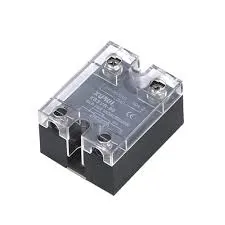
Solid State Relays (SSRs) have transformed the way industries and electronics manage electrical circuits, offering an alternative to traditional electromechanical relays. Unlike conventional relays that rely on moving parts, SSRs use semiconductor components to control the flow of electricity. This modern approach provides faster switching speeds, enhanced durability, and silent operation, making them increasingly popular across automation, industrial machinery, and smart home applications.
Can Solid State Relays Improve Reliability in Electrical Systems?
The primary advantage of solid state relay lies in their ability to increase system reliability. Traditional electromechanical relays are prone to wear and tear because of their moving contacts, leading to frequent maintenance and potential downtime. In contrast, SSRs operate without mechanical parts, significantly reducing the risk of physical damage and failure. This durability allows them to perform consistently even under high-frequency switching conditions, which is particularly important in manufacturing processes and automated systems where precision and uptime are critical.
Furthermore, SSRs are less susceptible to environmental factors such as vibration, shock, and humidity. Their solid-state construction ensures stable operation under extreme conditions, offering a level of reliability that electromechanical relays often cannot match. Industries such as robotics, conveyor systems, and HVAC rely heavily on this stability to maintain smooth operations and avoid costly interruptions.
Can Solid State Relays Save Energy and Enhance Efficiency?
Another key factor driving the adoption of SSRs is their energy efficiency. Since SSRs utilize semiconductor switching rather than mechanical movement, they generate less heat and consume less power during operation. This characteristic is vital in large-scale industrial systems where energy costs are significant, and efficiency directly impacts operational expenses.
In addition to reduced energy consumption, solid state relays offer precise control over electrical loads. This precision is particularly beneficial in temperature-sensitive applications, such as ovens, heating systems, and chemical processing equipment. The ability to regulate power accurately not only enhances product quality but also minimizes energy wastage, contributing to a more sustainable operation.
Moreover, the silent operation of SSRs eliminates the acoustic noise typically associated with mechanical relays. In commercial and residential settings, this quiet functionality improves user experience and makes solid state relays a preferred choice for automation in lighting systems, home appliances, and office equipment.
Can Solid State Relays Handle Complex Industrial Applications?
Solid state relays are designed to support high-performance industrial environments. With their rapid switching capabilities, they can handle both AC and DC loads effectively, offering versatility that is difficult to achieve with traditional relays. Their ability to switch electrical circuits within milliseconds allows manufacturers to streamline production lines, enhance automation, and maintain precise control over machinery.
Advanced SSRs come with built-in protection features such as overvoltage, overcurrent, and thermal overload safeguards. These integrated protections help prevent damage to equipment and extend the life of connected devices, making them suitable for critical applications in power distribution, automation, and motor control. Additionally, SSRs are compatible with digital control systems, including PLCs (Programmable Logic Controllers), allowing seamless integration into modern industrial networks.
The long lifespan of SSRs also reduces maintenance costs and downtime. Unlike mechanical relays that require frequent replacements, SSRs can endure millions of switching cycles without significant degradation. This longevity, combined with reliable performance, makes solid state relays a cost-effective choice for industries seeking both efficiency and durability.
Conclusion: Are Solid State Relays Essential for Modern Electrical Systems?
Solid state relays represent a significant advancement in electrical switching technology. Their robust design, high reliability, energy efficiency, and compatibility with modern control systems make them indispensable for industrial, commercial, and residential applications. By eliminating mechanical wear, reducing energy losses, and supporting precise electrical control, SSRs provide a compelling solution for environments that demand both performance and sustainability.
As industries continue to evolve toward automation and smart electrical systems, the adoption of solid state relays is likely to increase. For engineers, manufacturers, and facility managers seeking efficient, durable, and precise switching solutions, SSRs are not just an option—they are a necessity for the future of electrical management.
43.242.177.63
shell
ผู้เยี่ยมชม
benducket3211@gmail.com